[ARH Learns] On Freelance Sustainability - An Interview with Jeremiah Choy
by Jeremiah Choy
Last updated 2 October 2025
It is a dream to be able to earn a living from a hobby or a passion. And to do so as a freelancer is an even bigger dream. So is it a myth or a reality?
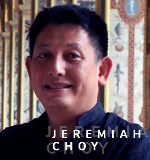
After being a freelancer, on and off for about 20 years (since 1997), I can proudly say it is a reality. However, it does take a mindset change.
First of all, that hobby or passion has turned into a means for your living – you have to earn enough to sustain your day-to-day expenses, cater to your needs and wants and plan for your future. It is no longer doing it “just for fun”.
Secondly, you need to have a strategy – a business and marketing plan. What will set you apart from the rest of the market? Who are your target consumers or buyers? How do you expand your market?
Thirdly, what are your long-term plans? How do you keep up with market demands, be ahead of the curve and be in constant demand? How are you relevant to the market? What are your skill sets? How do you sell them?
You need to realise that your freelance choice is now your Career!
Since the start of my freelance career, I am mindful of the 4 Cs: Concept, Copyright, Cash and Contract.
As an art-maker, my Concept is my asset. There is a difference between a brief and a concept. A brief is skeletal information of what the client wants happen. The concept, on the other hand, is a detailed thought process that I will share with the client. I earn my money through the concepts I generate. My thought-process is my cash cow.
As a creative person, I own the Intellectual Property (IP) rights over the concepts I have created, especially Copyright. I lay claim to these rights and make sure that I make money through them. If any client wants to take over any or all of my IP rights, they can either pay me a lump sum to buy the right/s outright from me, pay a licensing fee or pay me royalty fees.
Cash is important. There is no point rushing or doing a project for a client if the client does not pay my fees on time, or in full or at all. I make sure I get paid by carefully planning milestones or periodic payments. Having a good cash flow plan is necessary for a freelancer as I do not know when my next project or pay cheque will come. I do suggest having 3 to 6 months cash in the bank to ensure there is no necessity to do underpaying jobs just to meet financial emergencies.
Finally, I always insist on a Contract. This is to save me time and effort should either party default on the agreement as a contract spells out the rights and obligations of both parties. If I do not get a written contract, I will put in writing to my client to confirm the details of our discussion, state my fees and deliverables. It will become evidence should there be any dispute later on.
As a freelancer, my reputation and integrity are important. And very often, it is these two virtues that bring clients back again and again.
As a freelancer, I set my rules. My resources are limited, so I have to make many difficult choices on how to use them strategically to generate income for myself.
And with this mindset change, sustainable freelancing can be a reality. I have been living my dream and am happy that my passion is my work and my work is my passion.