[ARH Learns] Life as an Arts Freelancer - An Interview with Sharda Maxine Harrison
by Sharda Maxine Harrison
Last updated 2 October 2025
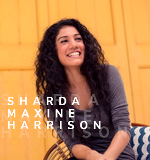
In Singapore, being a freelancer is one of the more viable options and ways to pursue an artistic career. Unlike Europe, Australia and America, Singapore does not have many agencies that manage performing artists, such as myself. Initially, the task of having to manage schedules on my own was a disaster. I often double-booked appointments and rehearsals and caused much frustration for my employers. It was only a year into my freelance career that I slowly begun to fully acknowledge that I had become a self-employed artist, and that the roles I accept and the way I organise my schedule and lifestyle would be a reflection of the actor and brand, that is, ‘Sharda Harrison’.
Being a freelancer is akin to being an incorporated company without the official documents. It is daunting because there is no protection of an employer and no employee benefits to enjoy. Five years into my career, I realised that I had to shift my mindset from ‘freelancer’ to an ‘artist entrepreneur’. That meant looking at my skill-set and analysing what might be my niche skill-set. I knew that movement work had been something that I enjoyed and thus I decided to pursue it fervently by attending all types of movement workshops and trainings. While gaining an insight into various ways of moving, I decided to link all the new-found physical vocabulary that I was learning as a performer to my acting training. Slowly over time, I had gained a practice, which in itself, turned into my own methodology of actor training, which in turn, became a valuable source of income. This niche skill-set of being a movement-based performer allowed me to engage in an arts-based pedagogy practice. Over time, my personal branding shifted from just a theatre-actor to movement artist, actor, host and teacher. The more skills I acquired, and the more I linked these new skills to my actor training, the more confident I grew with managing my income, my own monetary benefits and my long-term health and wealth insurance. I cannot stress enough the value of creating a “rice bowl” and being able to sleep at night knowing that one has a roof over one’s head and food in one’s stomach.
It is harrowing to note how certain artists still believe in the notion of the “struggling artist”. Personally, I think that perhaps the word ‘struggle’ has been misconstrued for generations. It is a given that every artist struggles – we struggle to understand humanity, struggle to put a piece of art together, struggle to form community and outreach with the messages that we want to convey to the public. However, to financially struggle in order to make art, in my opinion, should be reserved as a myth. The biggest lesson that I have learnt as a freelance artist is how to make art that is authentic, honest, and still able to make an income from it. This does mean that we have to build on our skill-sets and focus on a myriad of ways and approaches to art-making. Perhaps we too, as artists, must become more demanding and savvy in how we handle our contracts and negotiations, because no matter how old or young we may be, an artist deserves to be able to live a rich, wealthy and abundant life.
I look forward to the day when we artists begin to speak more on how art and a decent income come hand in hand, and the myth of the struggling artist remains just that, a myth.