
#Financial Literacy #SEP
CPF Basics for Arts SEPs
3 April 2025
A guide to understanding CPF contributions for arts Self-Employed Persons
Why CPF Matters for Arts SEPs
As a self-employed arts professional, managing your CPF contributions is crucial for:
Future housing loans and credit applications
Healthcare coverage
Retirement planning
How CPF works
The Central Provident Fund (CPF) is a key pillar of Singapore’s social security system. CPF helps Singapore Citizens and Permanent Residents set aside funds to build a strong foundation for retirement.
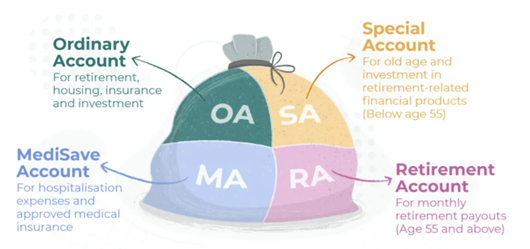
Your CPF accounts
If you’re self-employed, you need to contribute to MediSave. These savings will be especially important in old age when you may have stopped working.
🥇 Understanding MediSave Requirements
Mandatory for SEPs earning annual Net Trade Income (NTI) above $6,000
Helps secure healthcare needs, especially for retirement
Contributions based on your Net Trade Income (NTI)
CAYE Scheme: What You Need to Know
The Contribute As You Earn (CAYE) scheme helps self-employed persons (SEPs) contribute to their MediSave as and when they receive service payments.
Key Features:
Automatic MediSave deductions from government service payments
Contribution rate varies based on:
Your age
Estimated Net Trade Income
CAYE contribution rate
How it Works:
Government agencies deduct MediSave contribution from your service fee
Amount transferred directly to your MediSave account
Helps build healthcare savings through regular small contributions
🥉Voluntary CPF Contributions
Beyond MediSave, you could earn 4% interest by contributing a sum to your CPF Special Account, for instance.
Optional contributions to Ordinary and Special/Retirement Accounts
Benefits of voluntary contributions:
Enhanced retirement savings
Potential tax relief
Higher interest rates compared to bank savings
Next Steps
Check your annual NTI to determine MediSave obligations
Understand CAYE deductions for government projects
Consider voluntary contributions based on your financial goals
Useful Resources