
[ARH Learns] Takeaways from The Legal Mixer
Useful insights for navigating legal matters in your work
Last updated 21 January 2026
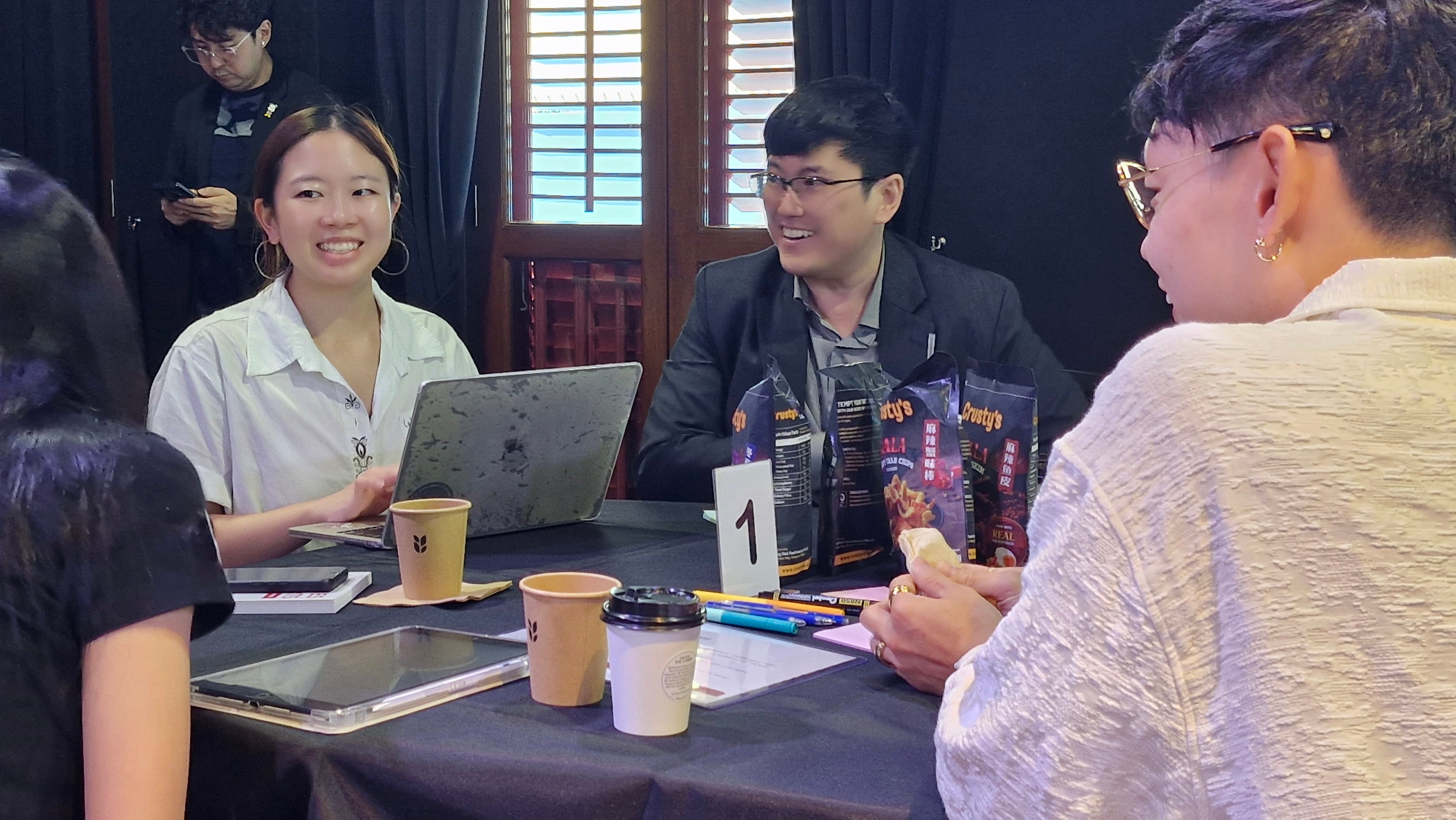
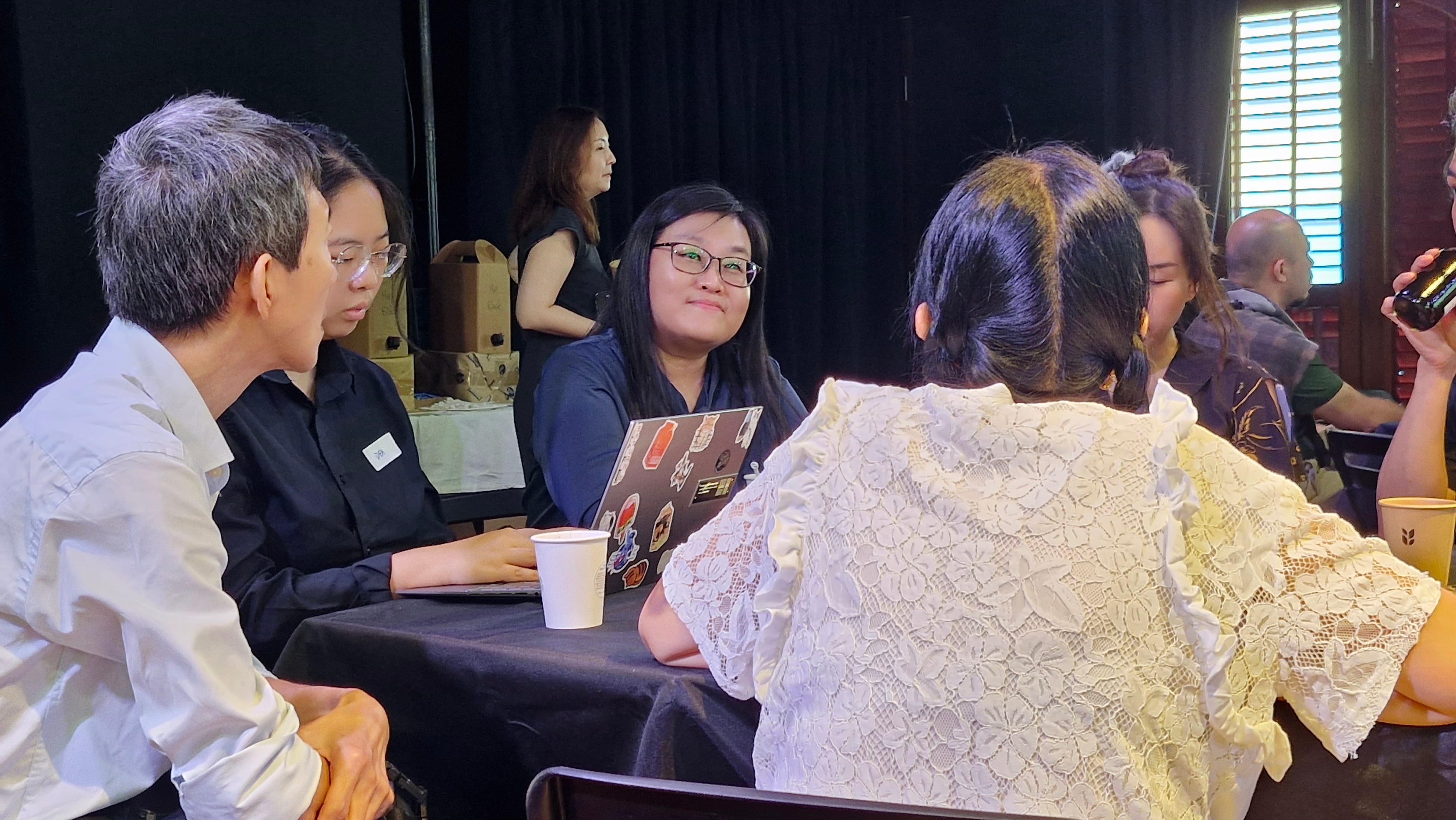
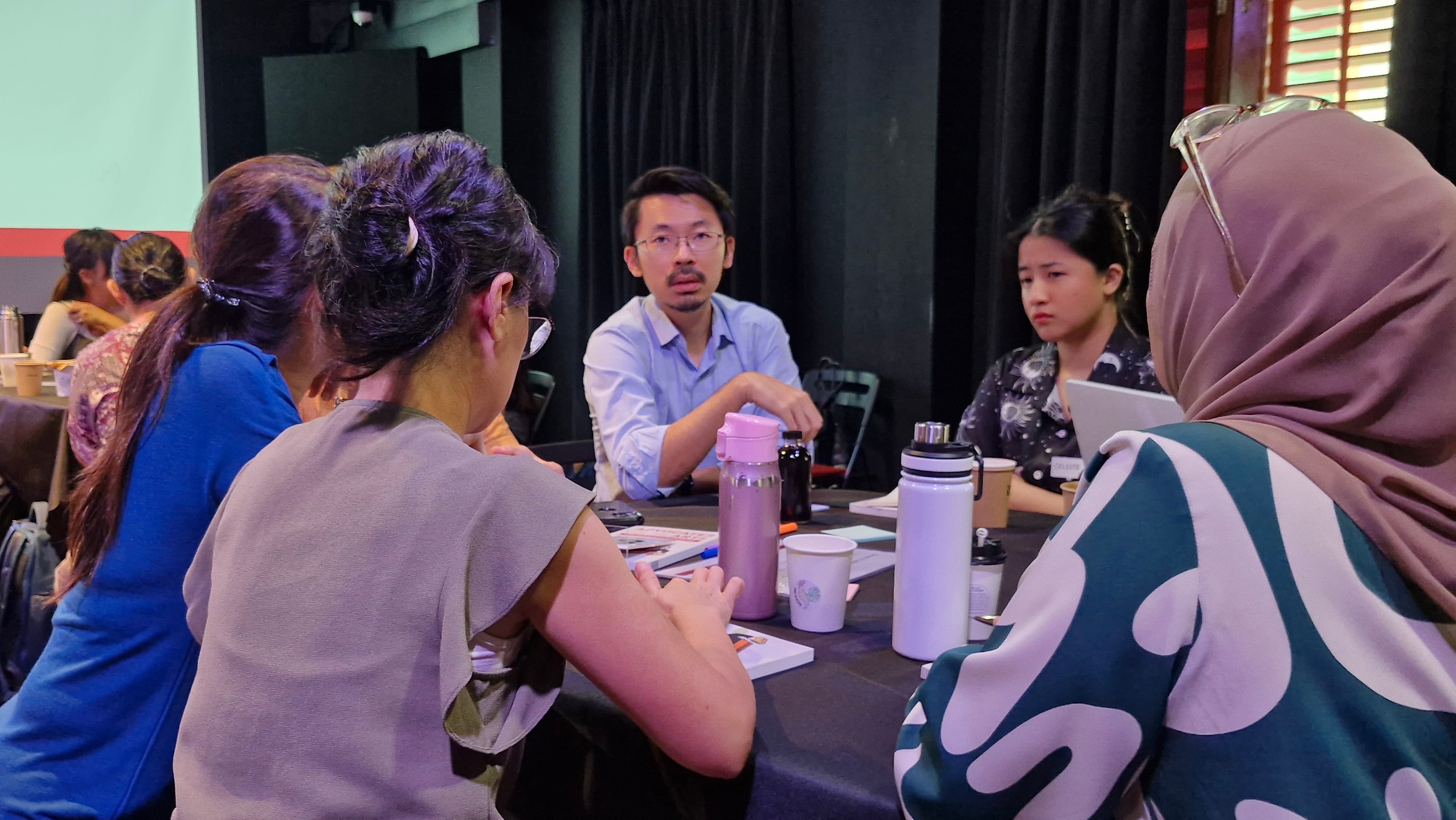
The Arts Resource Hub, in collaboration with Pro Bono SG, hosted two sessions of The Legal Mixer – a learning and networking series for independent arts practitioners. Participants rotated between tables led by volunteer legal experts, engaging in conversations on key legal topics on contract, intellectual property and business structures for creative careers. Over food and drinks, arts practitioners shared their experiences, challenges and mitigation strategies, while gaining practical insights from both legal experts and peers. The informal, collaborative format fostered open dialogue and led to useful takeaways for navigating legal matters in their work.
 WhatsApp Image 2025-08-12 at 15.38.11.jpeg)
Here are some of the key insights and practical tips from the sessions:
Contracts and Negotiations
Understanding Contracts
Contracts are legally binding agreements that set out the parties' rights and obligations. While the exact terms may vary across creative industries and projects, contracts are essential tools for you to establish clear terms, safeguard your work and ensure mutual obligations and expectations are understood.
Contracts can be formed orally or in writing. Written contracts are always preferred as proving an oral contract without some form of written evidence is very difficult.
Setting out key contract terms via digital communications such as WhatsApp messages and emails can constitute or evidence valid contracts if they clearly outline key details such as scope of work, deliverables, timeline, and payment—especially important in the event of disputes.
Negotiation Strategies
Start by identifying your non-negotiables and priorities before entering into discussions.
Build rapport with the other party by discussing terms that can be easily agreed upon before addressing more complex issues.
Remember that power dynamics matter: larger organisations typically provide contract templates, but you can still negotiate terms.
Understand that your counterparty may not understand what is the industry standard or how things are done – there may be an element of education as to why your preferred position makes more sense.
Know that walking away is always an option if terms don’t meet your minimum requirements or if the commercial upside is not commensurate with the legal risks and liabilities you are taking on – this is why knowing your must-haves and red-lines beforehand is so important.
Dispute Resolution
Managing Contractual Disputes
Prevention is better than cure: clear written agreements help avoid misunderstandings.
Should disputes arise, these five approaches can be considered:
Informal negotiations (most common and cost-effective)
Filing a small claim (simplified online processes and low cost but is strictly for lower-value claims)
Mediation (Having an independent and impartial third party to facilitate discussions and settlement can be very useful. Singapore has an 80-85% success rate for mediated settlements) [Source]
Arbitration (is an alternative to court litigation but which parties must agree to. Can be more cost-effective than court proceedings as procedure is more flexible and lawyers are not mandatory)
Court litigation (is the always available default but should be considered as a last resort in view of its complexity and cost)
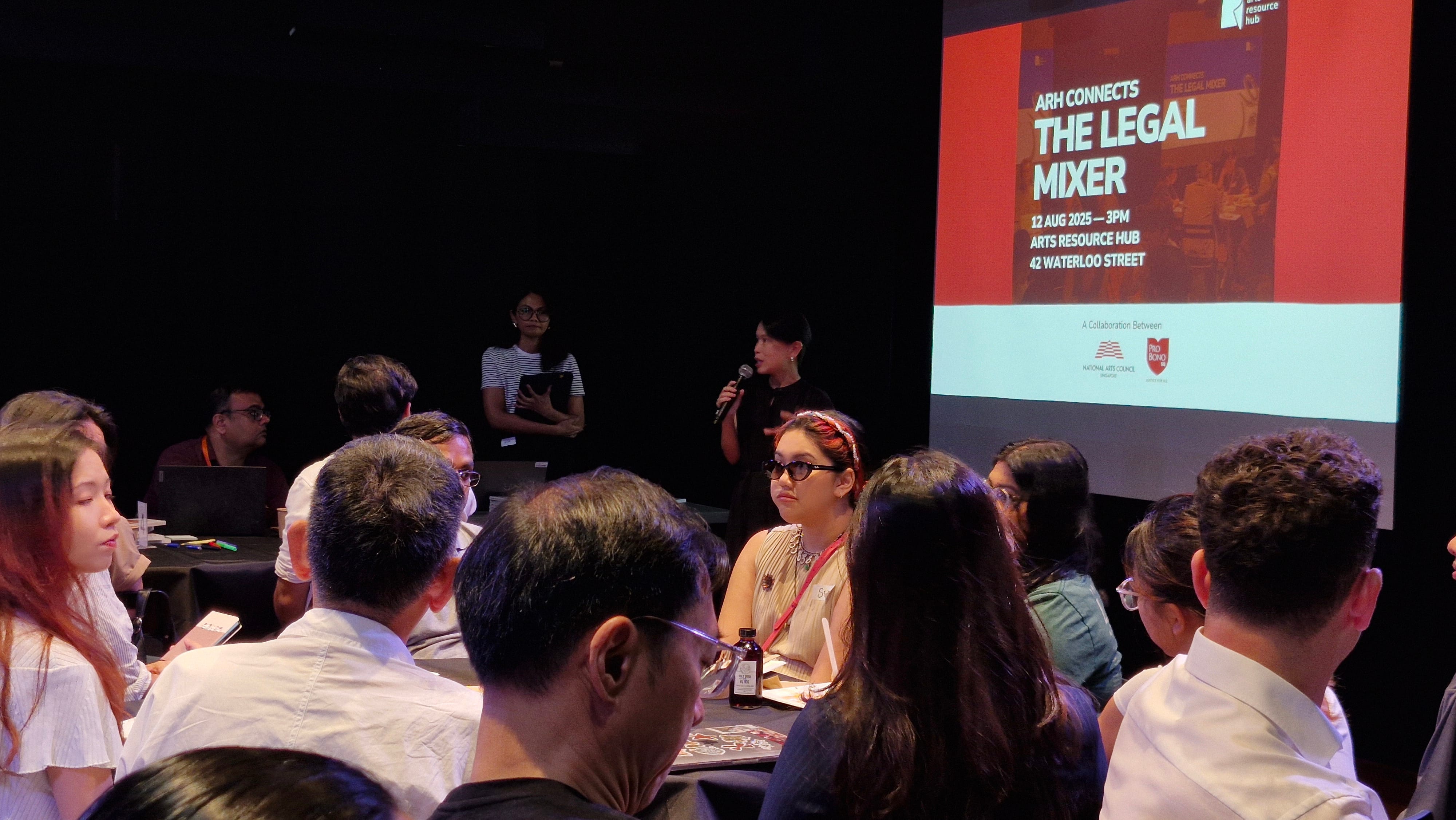
The Legal Mixer in session
Intellectual Property Rights
Copyright Protection
The Singapore Copyright Act 2021 strengthens creators' rights by establishing default copyright ownership to be owned by the creators of commissioned art work. This however can still be signed away by the creator in writing.
Even if you no longer own the copyright in your art work, you still have moral rights to be identified as the creator unless you have agreed otherwise.
Be aware that Fair Use provisions mainly apply to commentary and educational purposes in Singapore and may differ from other countries.
If you find that your copyright has been infringed, document evidence of the violations (screenshots, links, dates) and consider taking self-help steps by reporting the infringing conduct through appropriate channels (such as through direct communication with the infringer or reporting it via the social media platform’s reporting system).
Business Structures
Choosing Your Business Structure
In practical terms you are considered a sole proprietor trading in your name simply by filing personal income taxes for your creative work earnings—no additional registration needed.
As your earnings and risk grow, consider transitioning to a private limited company to limit your personal liability.
When working with partners, setting up a Limited Liability Partnership can help separate your personal and business assets.
Keep in mind that insurance coverage is typically more accessible for registered companies than individual freelancers — factor this into your business decisions.
For guidance on setting up your arts business, check out "Unboxing the Arts " a five-part video series hosted by creative director and producer Jeremiah Choy covering the basics of starting and sustaining your creative venture.
Collaborative Projects and Collective Work
Defining roles, responsibilities, and ownership early
Clarify who is entitled to what product or output
Determine whether elements (music, visuals, costumes) can be reused in other projects
Establish who will handle grant submissions and contractual obligations
Set out agreements in writing
Setting and respecting fair compensation
Discuss and agree on rates or a "floor benchmark" within the collective
Factor in all labour requirements, including research, rehearsal, and backend administration
Agree on profit-sharing terms upfront
Protecting and managing Intellectual Property (IP)
Define how IP is created, shared, and licensed – and in a best-case scenario, how profits should be shared
Be clear on whether collaborators can use materials in future projects
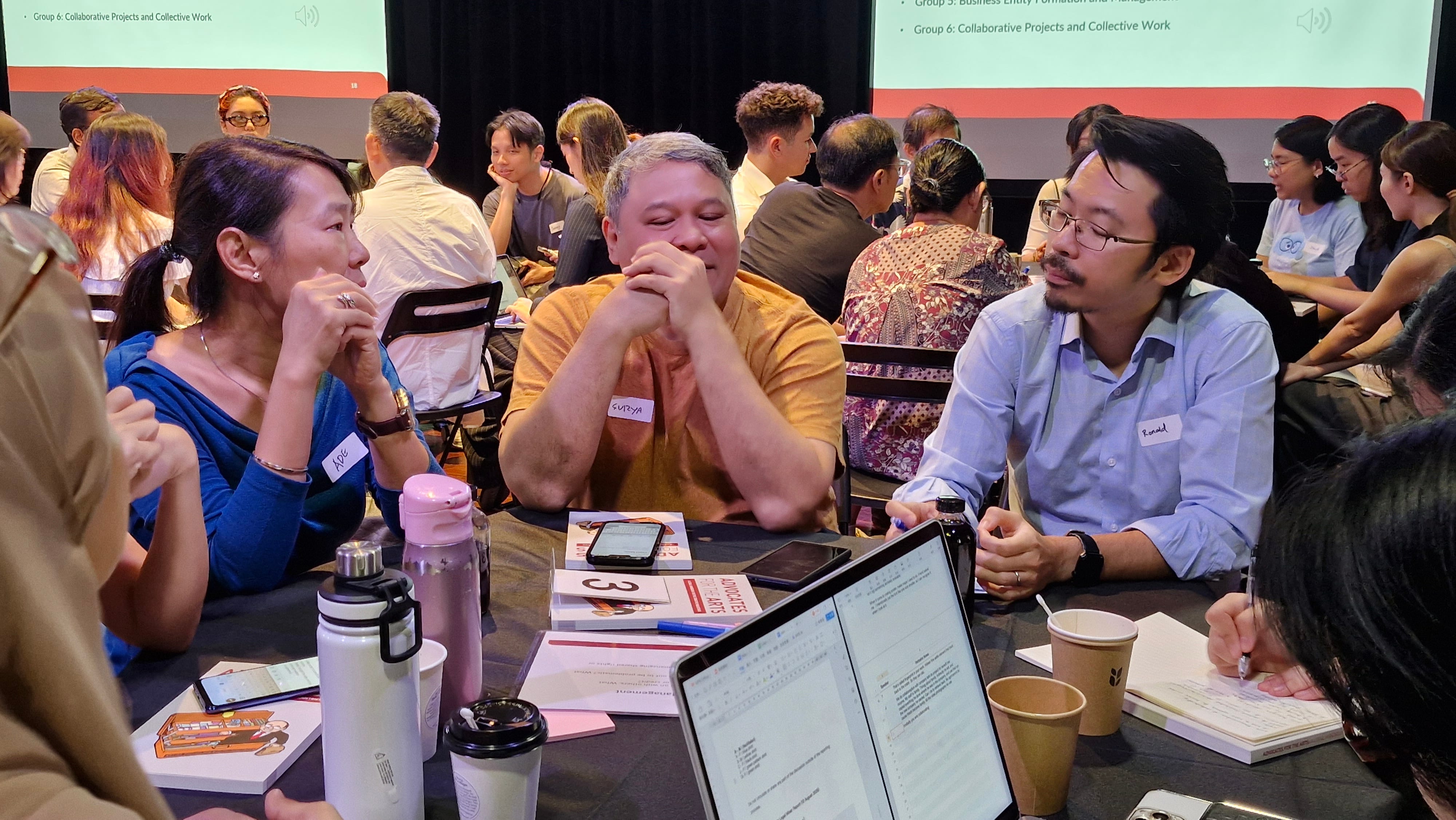
The Legal Mixer in session
We hope these insights provide you with a foundation for navigating the legal aspects of your creative career — stay tuned for future ARH Connects sessions!
Special thanks to our panel of volunteer legal experts from Pro Bono SG:
Ronald JJ Wong : Ronald specialises in technology, finance, intellectual property, and employment law and actively supports the arts through legal workshops and advisory work for creatives whilst pursuing his own artistic interests.
Wang Liansheng : Liansheng specialises in private client and family matters. He is an accomplished playwright who also serves as Chairman of The Theatre Practice and provides pro bono legal advice to arts practitioners and freelancers.
Jeremiah Choy: Jeremiah is a legally trained Creative Director, Producer and Curator with over 30 years of experience in Singapore's arts scene.
Jolie Giouw: Jolie is a corporate lawyer with a passion for helping creative organisations and charities navigate business structures and legal frameworks, who plays the clarinet and guzheng in her spare time.
Gretchen Su: Gretchen specialises in intellectual property, technology and data protection laws and has been giving talks to creators on IP protection, commercialisation and enforcement.
Shaun Lee: Shaun is a disputes lawyer, a Fellow of Chartered Institute of Arbitrators (CIArb) and Chartered Institute of Arbitrators (SIMC) specialist mediator who enjoys helping artists and entrepreneurs navigate legal frameworks with clarity and humour.
Note: This is a peer-sharing session, not a legal consultation. The insights or resources shared are intended for general discussion and do not constitute legal advice.